Sofia
The year you were six.
Stories, photos, thoughts and things I want to remember.
2026–2027
How many times have you thought, “I’ll remember this”?
Something funny they said. Something they did in the back seat of the car. A moment that caught you off guard. A thought you had and wanted to tell them one day.
Then a few days pass. Life gets busy. You start forgetting the details. Sometimes you forget the moment altogether.
Those are the things we don’t want to lose.
You don’t have to sit down and keep a journal. When something comes to mind, open your phone and say it. However it comes out. Add a photo if there is one.
Little by little, you build a collection of small stories from the years your child is growing up.
And whenever you’re ready, you decide which ones belong in a book.
Your words can stay exactly as you said or wrote them. Or, if you want, they can be made a little smoother and easier to read on the page — without changing what you meant or adding anything that wasn’t yours.
Your original voice stays with them.
Everything you add is private. You decide who can see it and what eventually goes into a book.
You don’t need to remember to open the app every day.
And you don’t need to record everything your family did from morning to night.
When something happens that you want to keep, say it.
It might take thirty seconds.
It might take five minutes.
It might be one sentence:
“Today you told me that when you grow up, you want to be a vet so dogs never have to feel sad.”
That’s enough.
If there’s a photo, add it. If there isn’t, that’s fine too.
We’re not trying to create a perfect record of childhood.
We’re trying to keep the things you’ll be glad you didn’t forget.
The other parent can save their own memories too.
And if you want, you can invite a grandparent or someone close to your family to leave something for your child.
A story.
A photo.
Something they remembered.
Something they want your child to know.
They don’t need access to your whole family archive just to add something of their own.
There are also the things they made.
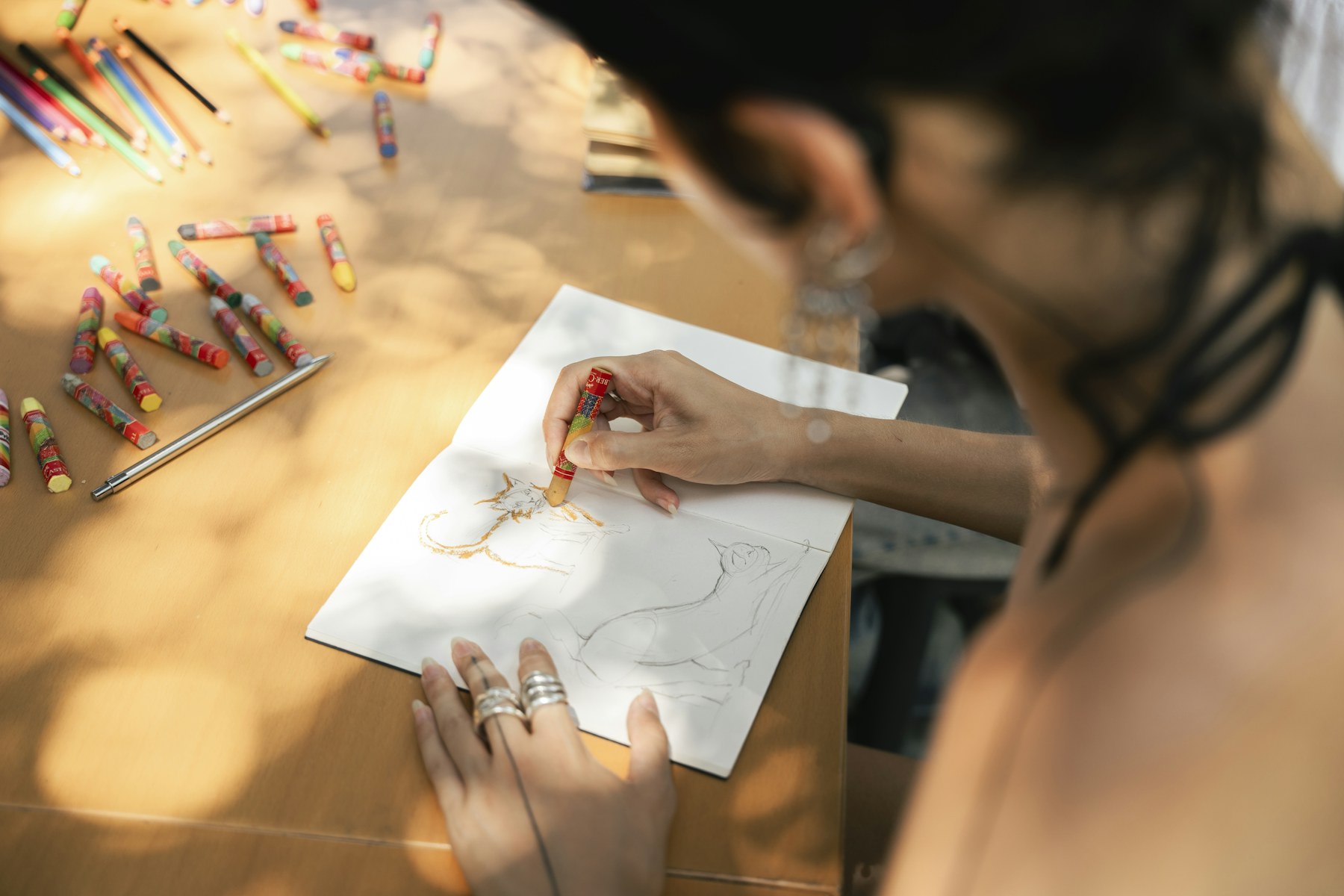
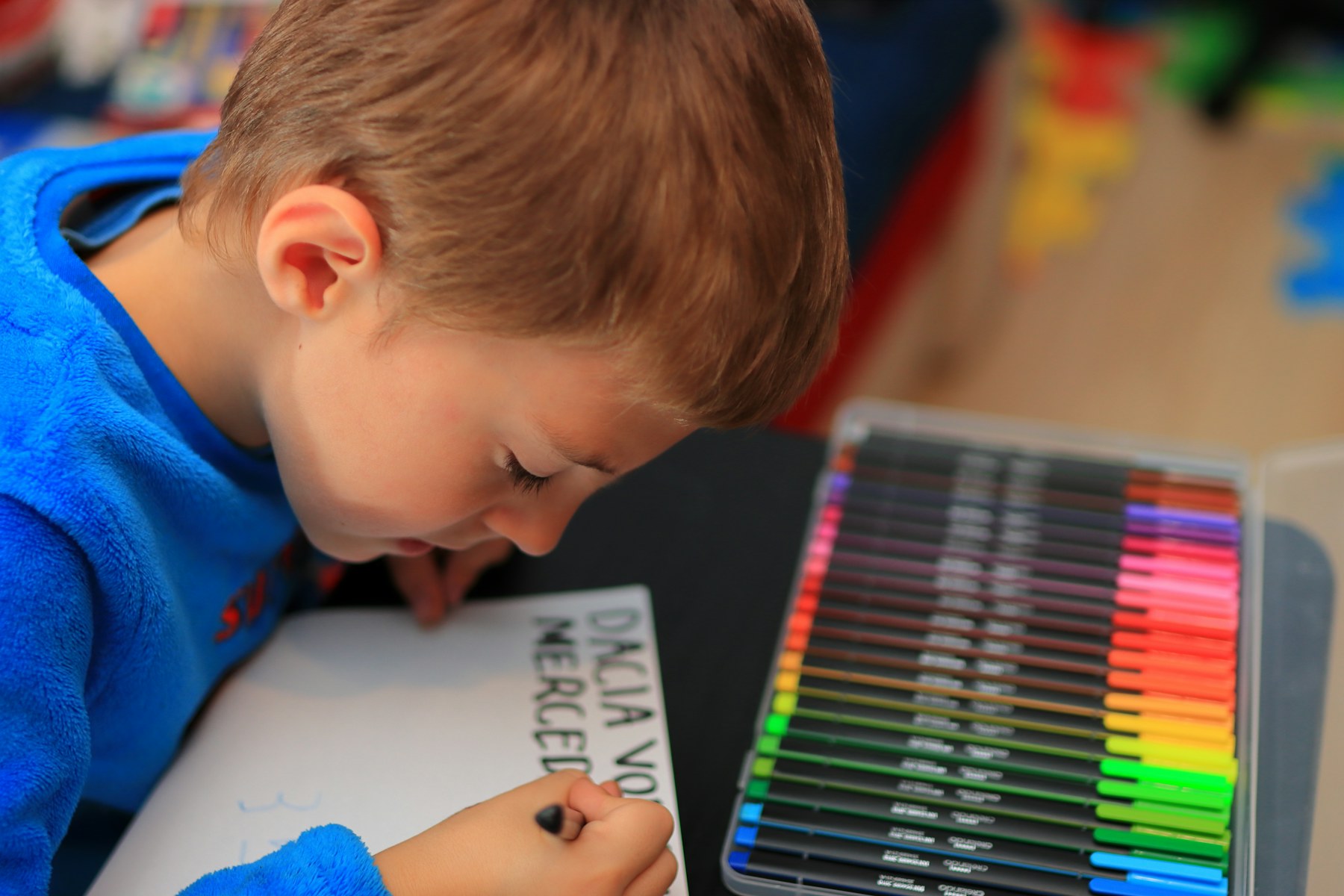
The first drawing that actually looked like a person. The LEGO house they wouldn’t let you take apart. A school project. A strange combination of cardboard and glue that was, to them, a masterpiece. A card they made just for you.
At first, you keep everything.
Then a drawer fills up.
Then a box.
And eventually you have to decide what stays and what goes.
Here, you can simply take a photo.
If you want, add a few words too — how old they were, why they made it, or what they said when they handed it to you.
Over time, the stories can stay in one book and the things they made in another. Or both can go in the same book.
One for each year, if there’s enough.
Or one book that brings two, three or more years together.
Not because you need to keep every drawing and every project.
Just so the ones that once meant something don’t disappear.
One keeps the things you lived through together.
The other keeps the things they made.
Or both in one book.
Sofia
Stories, photos, thoughts and things I want to remember.
2026–2027
Sofia
Drawings, projects and things that came from your hands and imagination.
2026–2029
You don’t have to make more than one.
And you don’t need to make a book every year.
You decide when there is enough to make one, and what is worth putting on the page.
When you’re ready, you choose what goes in.
Not every memory is automatically added to the book.
You might choose twenty from an entire year. You might choose fifty. Some might stay private and never become part of a book.
The same goes for photos.
For every memory, you can choose:
The text stays as close as possible to your original words.
or
We make it slightly smoother and easier to read, as if it had originally been written for a book.
We don’t change what happened.
We don’t add things you never said.
And the original recording stays exactly as it was.
If a memory has a recording, the printed page can include a small code.
Your child can scan it and hear the original recording.
Not a recreated voice.
Not a generated version.
Your voice, from the moment you actually said it.
That’s why the original recording should never be replaced.
Not every drawing needs its own page.
You choose the ones you want to keep.
It might be:
For each one, you can add one or more photos and, if you want, a short note.
“You made this when you were five and wouldn’t let us throw it away for three months.”
That’s enough.
The book shouldn’t feel like a school portfolio.
Think of it more like the box many parents keep somewhere at home — except it doesn’t need to physically hold every piece of paper and cardboard.
Some things will disappear.
Some things will get thrown away.
Some things will be forgotten.
That’s normal.
We’re not trying to keep everything.
We’re trying not to lose the things that once meant something.
This is not a social network.
There is no public profile.
There are no likes or followers.
These memories are for your family, not for strangers on the internet.
You decide who has access.
And when you invite someone only to leave a memory, they don’t need access to everything else.
Your child doesn’t need an account either.
You build the archive.
Later, you decide what you want to give them.
You do not sign in again each time you want to record. Open this phone and the family is already here.
This test is not a paid membership. Nothing is charged now.
Subscription prices are still being researched. Monthly and annual prices have not been finalized.
The Years We Keep Family
Pricing is still under research
The planned testing period is one month (30 days); this is not an account-expiry date.
We are a family-run business.
Future subscriptions will help cover the ongoing costs of running and maintaining this website.
One membership covers the whole family. You don’t pay separately for each child.
And the people you invite don’t need their own membership. The other parent, grandparents or someone close to your family can contribute at no extra cost.
With an active membership, you can keep adding memories, recordings, text, photos, drawings and other things your child makes.
You can have more than one child in the same family archive, and invite family members to leave memories of their own.
Preparing and previewing your books is also part of the service.
Everything you’ve already saved stays in your archive.
You can still look through your memories and photos, see the things your child made and listen to your existing recordings.
You just won’t be able to add anything new until you reactivate your membership.
Cancelling your membership does not delete your account.
If you choose to delete your account, your memories, recordings, photos and other stored files are deleted with it according to the service’s deletion policy.
Before paid memberships open, we will explain the options, prices and terms so you can decide whether to stay.
This is a free test, not a paid membership. Nothing is charged now, and joining the test does not sign you up for a paid subscription.
Future subscriptions will help cover the ongoing costs of running and maintaining this website.
Printed books will be paid for separately. Their prices are still being researched, and ordering is not open yet.
Start freeFounding FamilyPrinted books are not included in the membership.
You’ll order them separately, only when you want to make one.
We’re currently testing different printing options because we want the finished book to be genuinely good — especially for family photos, children’s drawings and the things they make.
We don’t want to choose the cheapest printing option just to keep the price down.
Printed-book prices are still being researched. Final prices will be announced before orders open.
A private place to keep the things you don’t want to forget from the years your child is growing up.
Something they did. Something they said. A thought of your own. A photo. Something you want to tell them one day.
You can talk instead of writing, and add photos whenever you want.
No.
It isn’t a journal you need to keep up with.
You use it when there’s something you actually want to save.
That might happen three times in one week and then not at all for a month.
That’s completely fine.
Yes.
Press record and talk normally.
We keep the recording and create text from what you said.
The original recording is never replaced.
Only if you want them to be.
You can keep the text as close as possible to exactly what you said or wrote.
When you’re preparing a book, you can also choose a slightly smoother version so it reads more naturally on the page.
We don’t change the meaning or add things you never said.
Yes.
Both parents can keep memories for the same child in the same family archive.
Each person can add their own stories and photos.
Yes.
You can invite someone close to your family to leave something for your child without necessarily giving them access to your whole family archive.
Yes.
Take a photo and, if you want, add a few words about it.
It can be a drawing, a LEGO build, a school project, something made from clay, a card or anything else they created that you want to remember.
Later, you can collect those into a separate book.
No.
You can make one every year if there’s enough material.
Or you can bring two or three years together in one book.
You decide when it makes sense.
Yes.
You decide which memories belong in the book and which stay only in your private archive.
In the test version, you can preview what the book could look like.
Printing isn’t available yet.
No.
There is no public profile and your memories do not appear in a social feed.
You decide who has access to your family archive.
No.
You build the archive while they’re growing up.
Later, you decide what you want to give them, share with them or include in a book.
In the test version, you can download a copy of the text you have saved.
If you delete your account, the memories, recordings, photos and other files you have stored are deleted with it.
We do not keep your personal archive for later use.